Why it matters:The most consequential industrial AI may not design products. It may help a small manufacturer notice a failing machine before the line stops.
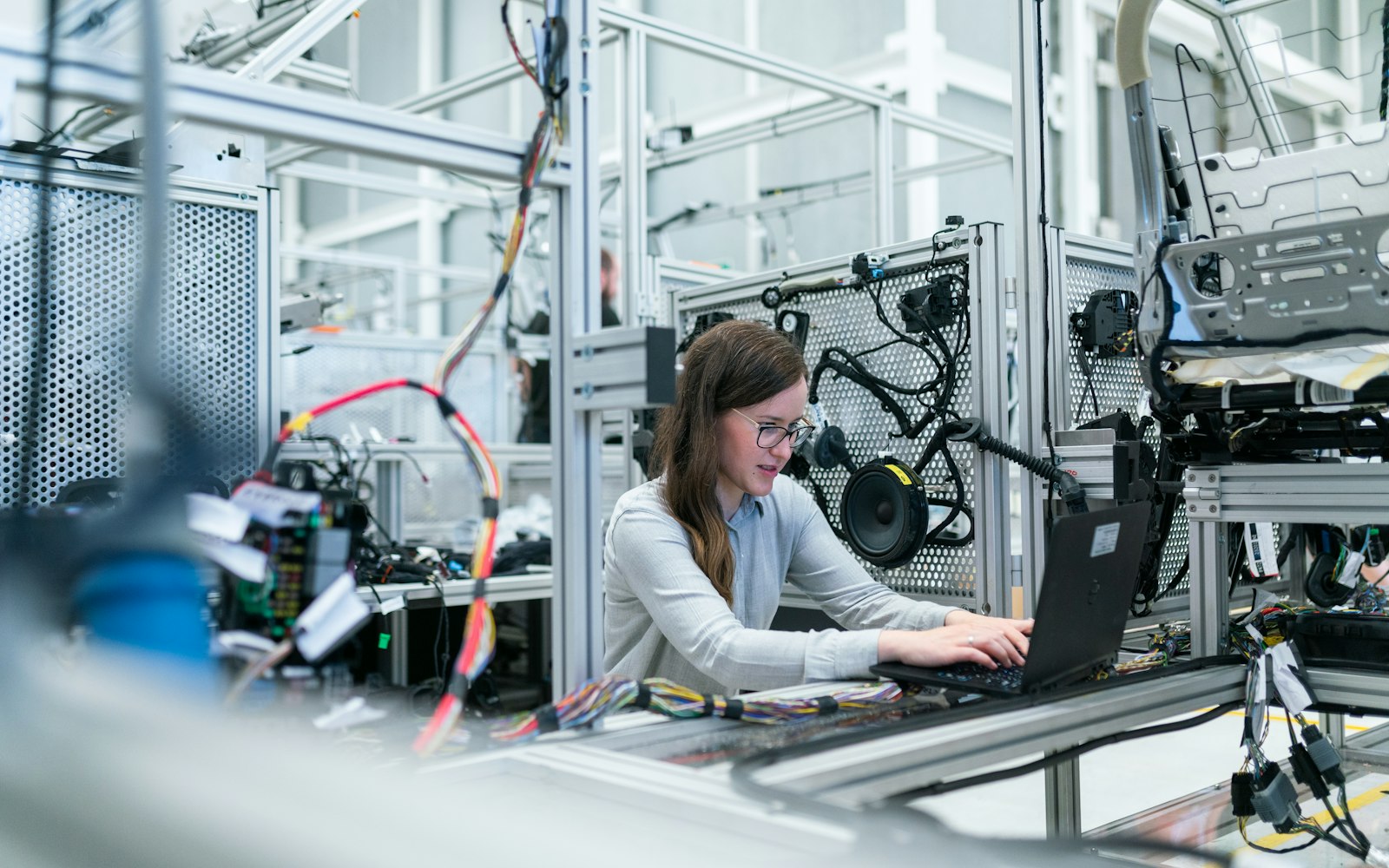
Automation debates often focus on robots replacing tasks at a large plant. For many smaller manufacturers, the nearer change is less dramatic: software that listens to a motor, compares its vibration with a baseline, and flags a problem before it becomes a breakdown.
Predictive maintenance is not new, but it has become more accessible. Sensors are cheaper, cloud tools are easier to deploy, and machine-learning systems can work with imperfect data. The result can be valuable to firms that cannot afford a team of data scientists but rely heavily on a few expensive machines.
A narrow problem is often the right one
The practical advantage of AI in a small factory is not general intelligence. It is consistency. A system can watch a signal continuously and bring a pattern to a technician’s attention. The technician still decides what the pattern means and whether the machine should be stopped.
That division of labour matters. Maintenance knowledge is embodied and local. A model trained elsewhere may not understand a particular material, seasonal condition, or improvised repair. The useful system is one that makes the technician more observant, not one that pretends to replace them.
Data quality is an operational issue
Factories rarely begin with clean, well-labelled data. Machines have different generations of controllers. Records may be paper-based. Maintenance notes can be cryptic even to the people who wrote them. A project can fail because the firm underestimated the work required to make data meaningful.
Starting small helps. A single critical asset, a clear baseline, and a staff member responsible for reviewing alerts can produce a more credible result than a company-wide platform purchased before the problem is defined.
The useful question is not whether AI can monitor the machine. It is whether anyone has the authority and time to act on what it finds.
Train the people who operate the system
New tools change the shape of a job. A technician may spend less time on routine inspection and more time interpreting dashboards, chasing false alerts, and documenting repairs. Those skills need training and compensation. Otherwise, the software creates invisible work.
Procurement also matters. Small firms may be offered subscriptions that are difficult to exit, or models whose recommendations cannot be explained. Contracts should clarify who owns the data, how long it is retained, and what happens when the service changes.
A quiet productivity story
The most plausible near-term benefit is not a fully automated factory. It is less unplanned downtime, better spare-parts planning, and a clearer record of how equipment behaves. That can improve productivity without eliminating the skilled judgment that keeps a small operation running.
The policy question is whether these gains are shared. Access to training, advisory support, and affordable digital tools will determine whether small manufacturers can participate. The factory of the future may look surprisingly familiar. It may just have a better sense of when something is about to fail.
Reference desk
Sources and further reading
Fieldwork publishes explanatory journalism and independent analysis. This story follows our editorial standards.
Updated throughout the editorial cycle.