Why it matters:A permanent collection is never truly permanent. Museums are confronting provenance, rotation, repair, and the question of who gets to interpret what they hold.
The phrase “permanent collection” suggests stability. In practice, a museum collection is constantly being researched, conserved, loaned, reinterpreted, and sometimes returned. The institution’s relationship to an object changes as knowledge changes.
That can be uncomfortable, especially when an object’s presence in a museum is tied to colonialism, conflict, or an unequal transaction. The question is not only whether the object should stay. It is also who has access, who can tell its story, and what the museum owes to the community connected to it.
Provenance is a public process
Research into an object’s history can take years. Records may be incomplete, dispersed, or deliberately obscured. Museums increasingly publish their findings as they go, rather than waiting for a perfect answer.
Transparency can be difficult, but silence is worse. A collection record that admits uncertainty gives researchers and source communities a way to contribute. It also helps the public understand that the museum is not an infallible authority.
Display is an argument
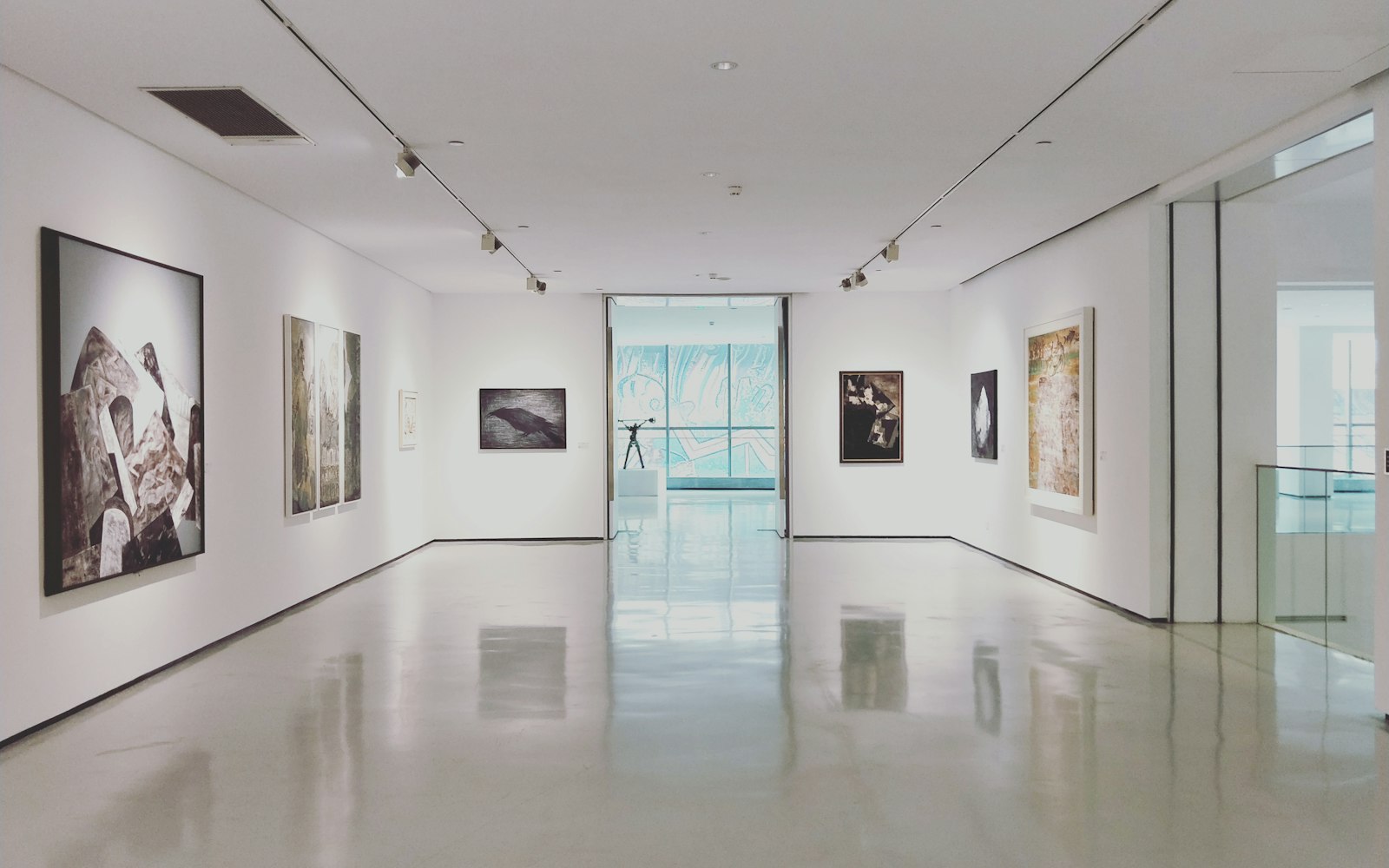
The arrangement of objects creates meaning. A timeline can imply progress. A thematic room can erase geography. A label can frame an object as art when its maker understood it as a tool, a record, or a sacred item.
Museums are experimenting with multiple voices, rotating displays, and labels that explain disagreement. This is not a retreat from expertise. It is an acknowledgement that expertise has limits and that interpretation is part of the object’s life.
A collection is not a warehouse of facts. It is a set of ongoing relationships.
Care includes repair
Conservation can stabilise an object for display, but it can also change how the object is understood. A visible repair may be part of an object’s history. Removing every trace of use can make it look less like the thing it was.
Museums need conservation expertise, but they also need conversations with makers and communities about what care means. This is especially important for objects with ritual, practical, or living cultural significance.
A living institution
The permanent collection is becoming more honest about change. Objects move between storage and display. Interpretations are revised. Loans create new encounters. Returns can repair relationships.
That makes the museum’s work slower and more political, but also more vital. A collection is not valuable because it is fixed. It is valuable because it can be cared for, questioned, and made useful to the people who encounter it.
Reference desk
Sources and further reading
Fieldwork publishes explanatory journalism and independent analysis. This story follows our editorial standards.
Updated throughout the editorial cycle.