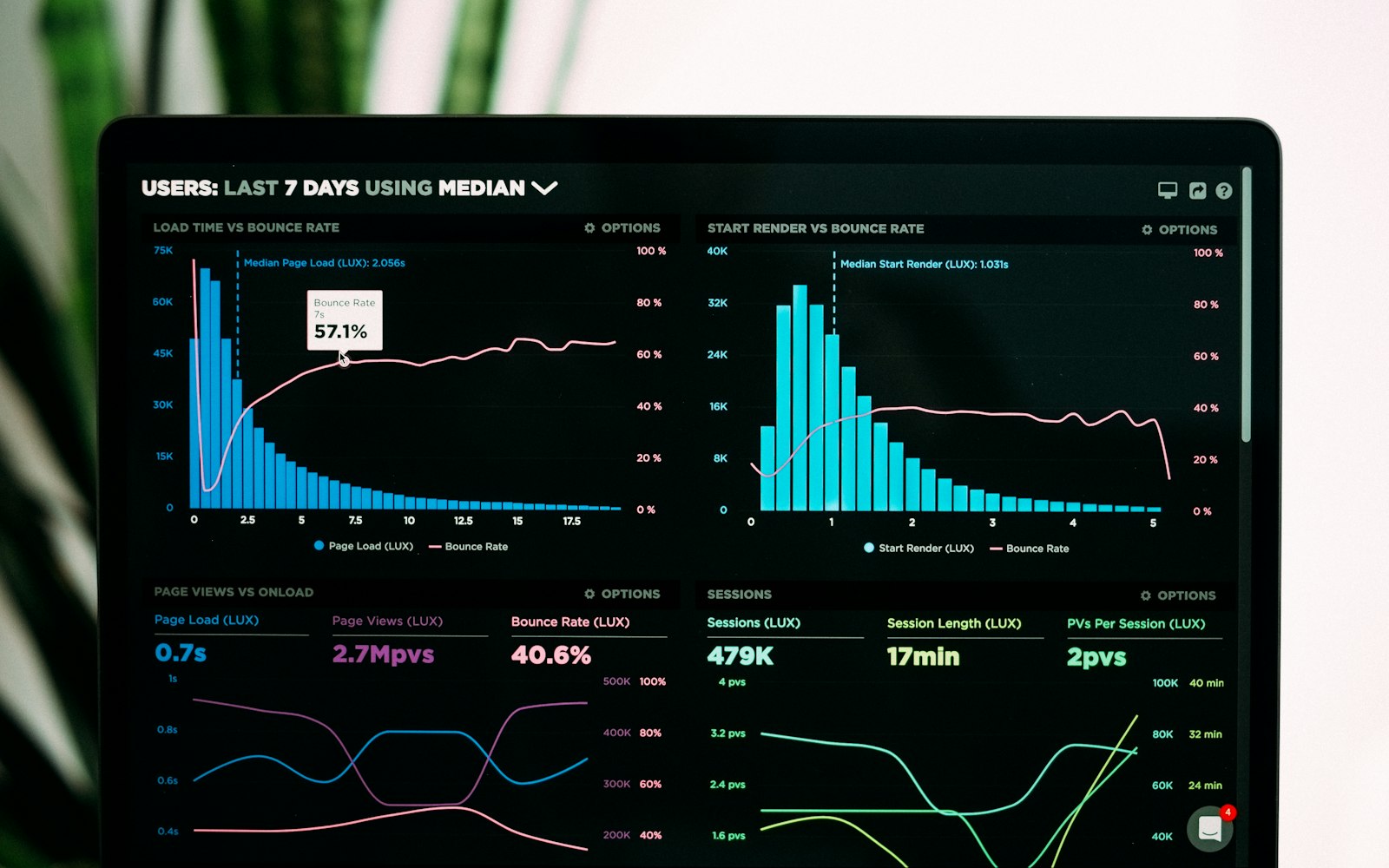
Why it matters:A dashboard can make work visible and still miss the work that matters. Better measures connect output to quality, learning, and sustainable effort.
Productivity is usually defined as output per unit of input. The formula is useful at the level of an economy and slippery at the level of a team. A service can increase the number of cases closed while reducing the quality of each decision. A sales team can hit a target while souring the customer relationships that support future revenue.
Metrics are not neutral. They tell people what the organisation notices. If the only visible number is speed, quality becomes invisible. If the only visible outcome is individual output, collaboration becomes a cost.
Measure the job, not the appearance of work
Activity metrics are easy to collect: messages sent, tickets closed, hours logged. They can be useful for operations, but they can become a proxy for effort rather than value. People learn to optimise the proxy, sometimes in ways that harm the actual work.
A better approach starts with the purpose of the role. What should be different for a customer, a colleague, or the public? Which measures would tell us whether that change is happening? Some of those measures will be qualitative, and that is not a weakness.
Protect the learning curve
Many improvements require time before they show up in output. Training, documentation, and process redesign can look like a short-term decline. If a team is judged only on this month’s number, it may avoid work that would make the next year better.
Managers can create explicit space for improvement by reviewing trends over a longer period and separating experiments from routine performance. That distinction gives people permission to try without hiding the result.
A useful metric helps people make a better decision. A harmful metric gives them a reason to stop thinking.
Include workload and sustainability
High output achieved through chronic overwork is not durable productivity. It moves cost into illness, turnover, and mistakes. Measures of workload, overtime, leave, and retention should sit alongside output data.
This is especially important in care work, where a faster process can reduce the quality of attention. The person receiving the service may not be able to wait while an organisation optimises its dashboard.
Build a shared language
Metrics work best when the people doing the work help define them. That does not mean every measure is negotiated from scratch. It means staff understand why it matters and can point out when it encourages the wrong behaviour.
Productivity is a valid goal. It can create time, reduce waste, and fund better services. But it needs a human scale: a clear purpose, a long enough view, and room for judgment. Without those, the number becomes a substitute for understanding.
Reference desk
Sources and further reading
Fieldwork publishes explanatory journalism and independent analysis. This story follows our editorial standards.
Updated throughout the editorial cycle.