Why it matters:New parks, towers, cultural venues, and flood defences are landing on the same narrow edge of the city. The result needs a stronger hierarchy of public value.
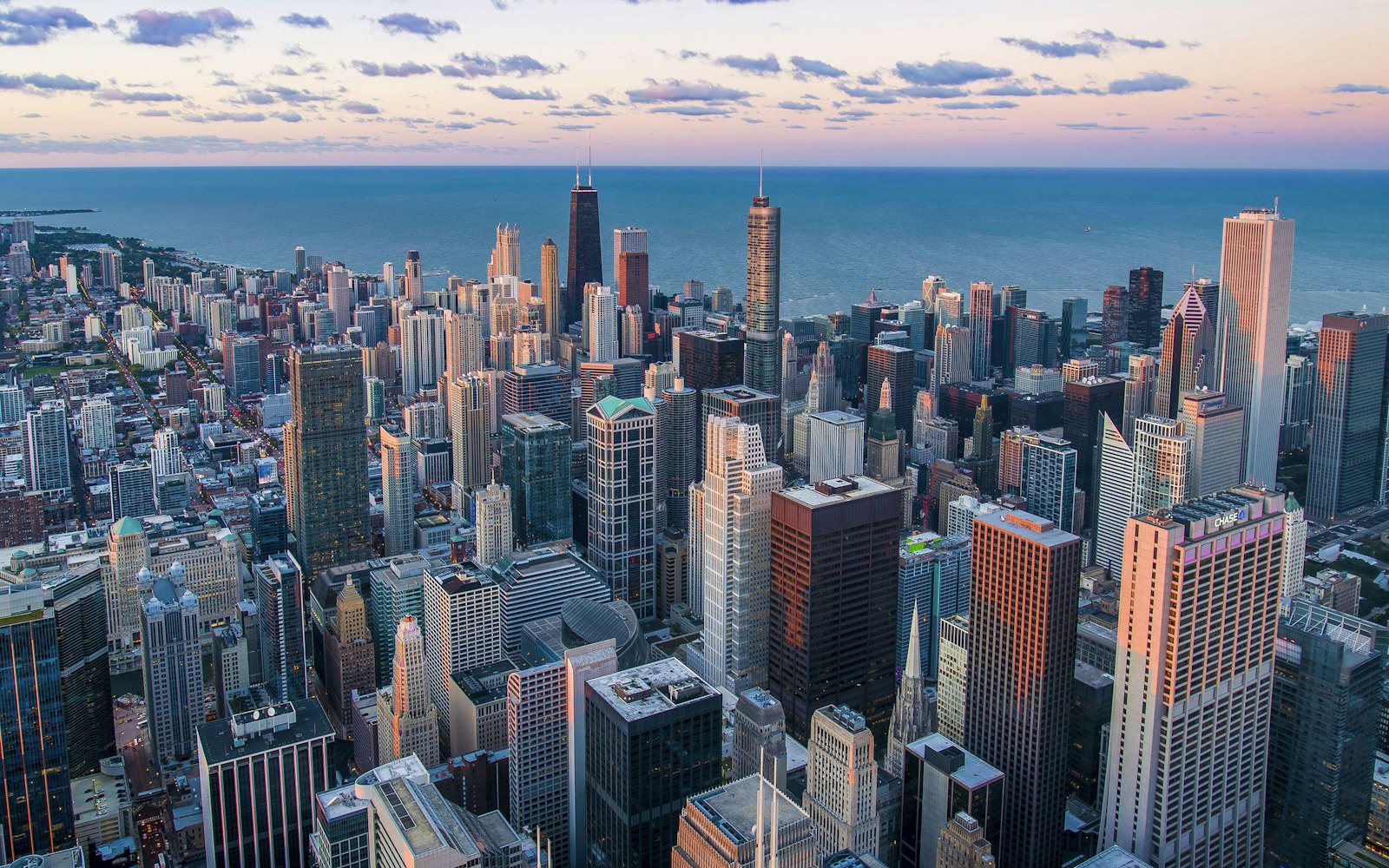
Waterfront redevelopment has become a familiar urban formula: turn an old port or industrial edge into a promenade, line it with apartments and cultural buildings, then present the result as a return of the city to its water. The formula can produce beautiful places. It can also overload a fragile strip of land with too many competing promises.
The waterfront must now perform as public space, flood defence, transport corridor, real-estate opportunity, ecological edge, and cultural symbol. Each goal is legitimate. The difficulty is that they are not always compatible, and the least profitable public benefits are often the easiest to shrink.
Access before architecture
A landmark building can draw attention, but the quality of a waterfront depends on how people reach it and whether they can stay. Continuous walking routes, frequent crossings, shade, toilets, and places to sit matter more than an iconic silhouette on a postcard.
Good plans also treat the water as a working edge. Flood storage, habitat, drainage, and public access require space. If every square metre is handed to a building or a lawn, the system loses the flexibility it will need as rainfall and heat become less predictable.
The flood question cannot be decorative
Waterfronts are often marketed with images of calm reflections. The harder design question is what happens during a storm. Where does water go? Which routes remain open? Which ground floors can tolerate flooding? Are the most vulnerable people given safer access?
These questions lead to different kinds of public space: planted buffers, terraced steps, removable seating, and pathways that can double as drainage. They also require clear maintenance responsibilities after the opening ceremony.
A waterfront is not finished when the promenade opens. It is finished when ordinary people can use it through an ordinary year.
Mix uses, but protect the public layer
Commercial activity can support a waterfront by providing jobs, services, and reasons to visit across the day. Yet a sequence of private terraces can create a public space that feels available without being welcoming. The distinction matters.
Cities can require active ground floors, affordable cultural space, and clear public access as part of development agreements. They can also keep some sites in public ownership so future generations are not locked into today’s assumptions about how the edge should work.
A test for public value
The best waterfront plans start with a hierarchy: safety and ecology first, public access second, and development shaped around those commitments. That ordering does not make private investment impossible. It gives the city a basis for saying no when a proposal captures the best views while externalising the risks.
Waterfronts are scarce. Treating them as a stage for every priority at once risks producing a place that photographs well and functions poorly. The stronger approach is more patient, more political, and ultimately more useful.
Reference desk
Sources and further reading
Fieldwork publishes explanatory journalism and independent analysis. This story follows our editorial standards.
Updated throughout the editorial cycle.