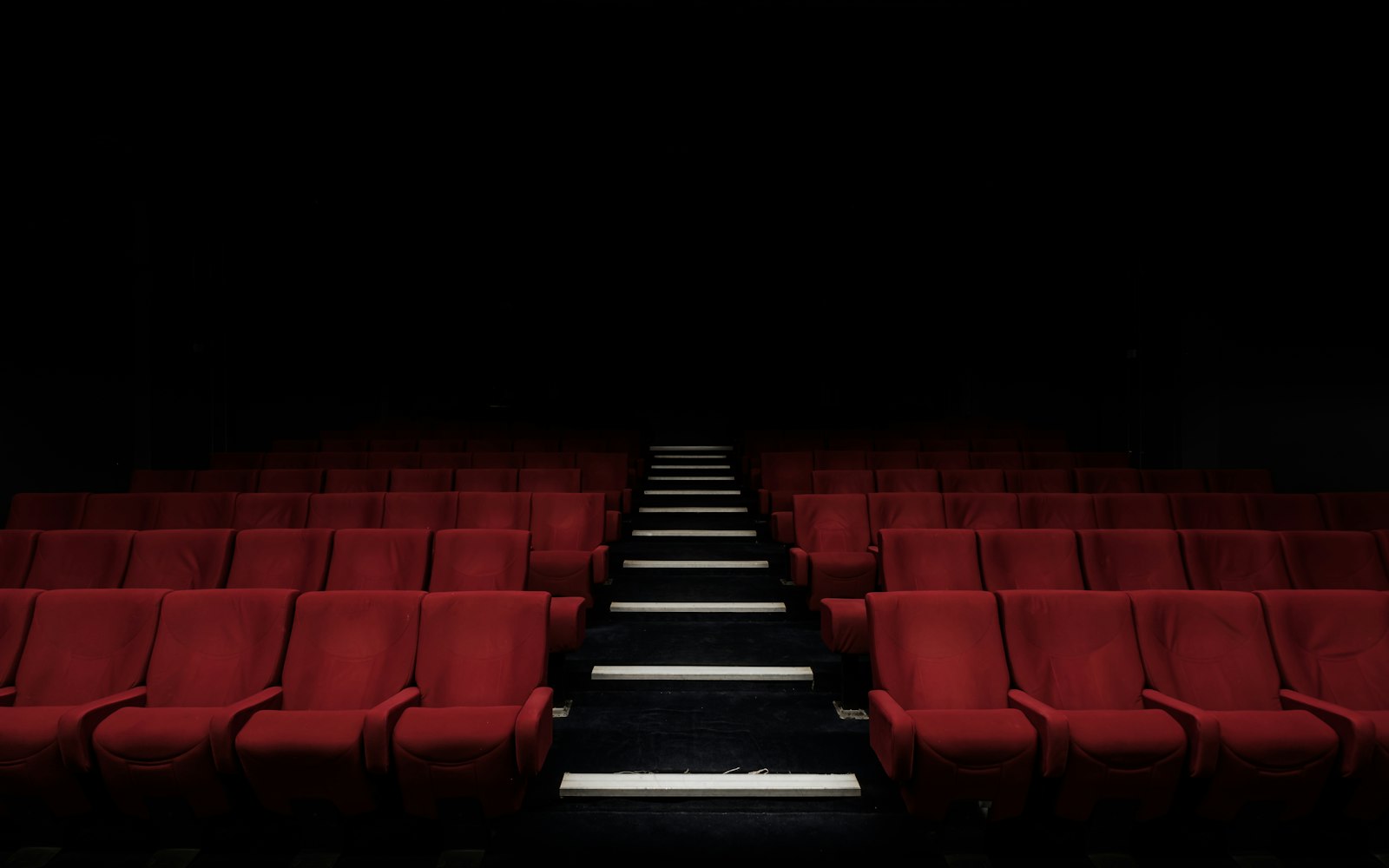
Why it matters:The future of moviegoing is not simply bigger screens. It is a better case for gathering, choosing, and talking about films together.
Cinema has always been both a medium and a place. The rise of home viewing made the medium more available and the place less certain. People can now watch almost anything in high definition while sitting on a sofa. So why leave the house?
One answer is scale: sound, image, and darkness create an experience that a phone cannot reproduce. Another is attention. In a cinema, the audience agrees to be in one story at the same time. That shared constraint can be liberating.
The room is part of the programme
A cinema can strengthen its case by making the visit feel intentional. A short introduction, a curated season, or a conversation after the film gives the audience a reason to gather beyond the content. The room becomes a place for interpretation.
That does not mean every screening needs a panel. Sometimes the best programme is simply a film presented well. The key is confidence: choosing work that matters to the venue and trusting the audience to meet it.
Make attendance easy
Comfort, price, and access determine who can participate. A cinema with uncomfortable seats, unreliable subtitles, or a difficult booking system is asking its audience to overcome unnecessary friction. Clear schedules and affordable options can build a habit.
Smaller venues can collaborate on ticketing or share programming costs. They can also use their space during quiet hours for community screenings, school visits, or film education. A cinema that is active during the day becomes more visible in the neighbourhood.
A cinema earns its future by being more than a screen with seats.
Preserve the projectionist’s knowledge
The shift to digital projection made some tasks simpler and others less visible. A good projectionist understands aspect ratios, sound, accessibility settings, and the difference between a technical problem and an intentional choice. That expertise is part of the audience experience.
Training and maintenance need a budget. A projector is a long-term asset, and its failure can close a screen during the busiest period. The unglamorous work behind the image deserves recognition.
A public room for attention
The most hopeful future for cinema is not a return to a golden age. It is a contemporary version of the shared room: a place that chooses films with care, welcomes people who might not normally attend, and treats attention as a public good.
Streaming will remain part of film culture. The cinema’s role is to offer something different: a deliberate place where a film is not just delivered but encountered. That is a reason to keep the lights down and the room open.
Reference desk
Sources and further reading
Fieldwork publishes explanatory journalism and independent analysis. This story follows our editorial standards.
Updated throughout the editorial cycle.