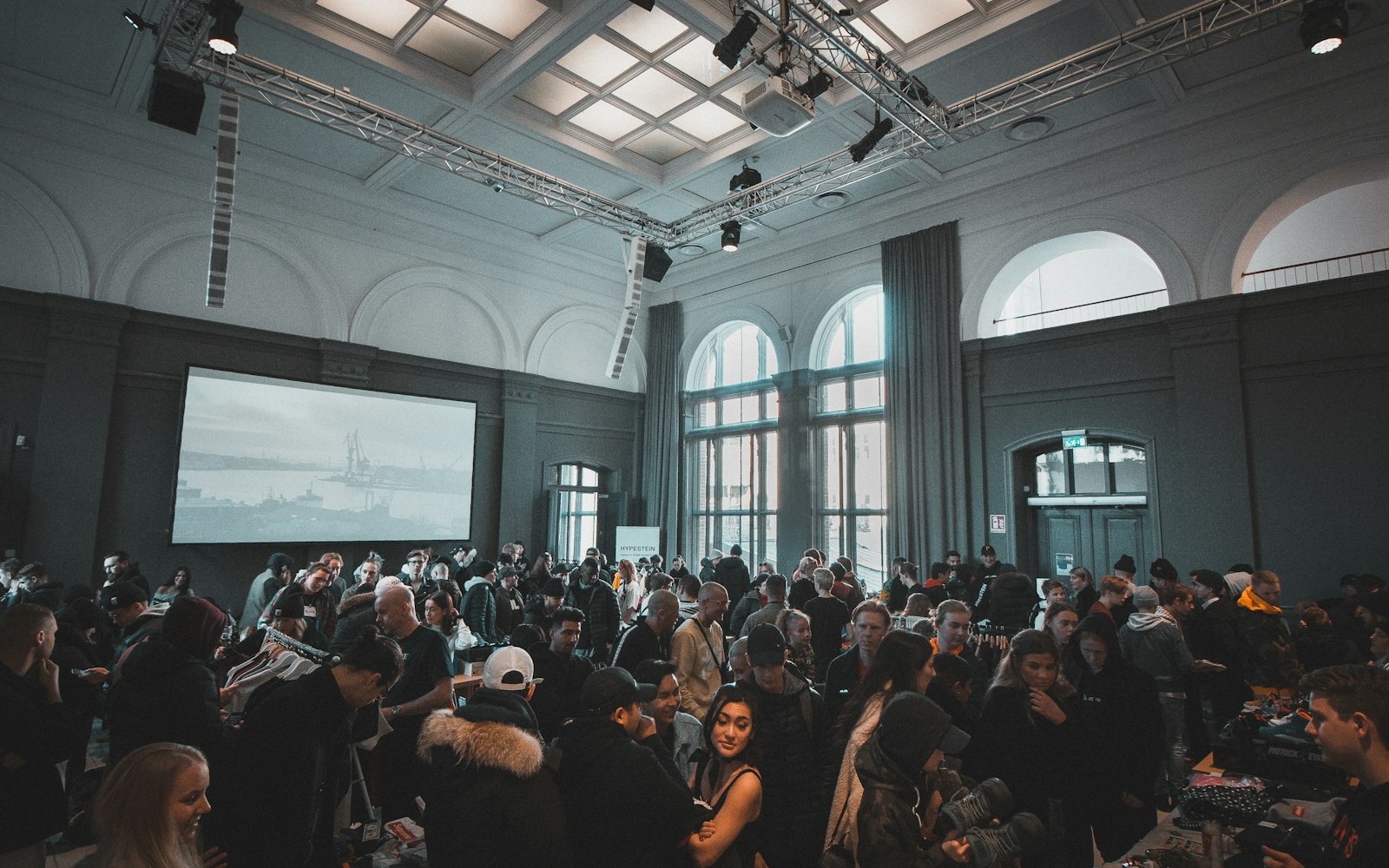
Why it matters:A festival can be an economic engine, but the months between events determine whether its skills, spaces, and audiences survive.
A festival is often used as evidence of a place’s cultural vitality. For a few days, the streets fill, stages open, and local businesses see a surge in demand. The images are compelling. The rest of the year is where the cultural value is actually sustained.
Event workers often move from one short contract to another. Venues may sit empty. Volunteers burn out, and equipment is left without maintenance. A successful festival can leave behind visibility, but not necessarily capacity.
Build a year-round workforce
The skills required to run an event are transferable: production, logistics, communications, safety, hospitality, and ticketing. If work is concentrated in a short season, those skills struggle to become careers.
Local training programmes, paid placements, and cooperation between venues can smooth demand. A festival can commit to hiring from a regional pool and contributing to training, rather than importing every specialist and leaving after the final night.
Venues need a heartbeat
A festival can use temporary spaces, but a cultural ecosystem needs places that operate throughout the year. A cinema, hall, or small venue can host smaller events, rehearsals, and community gatherings. Those activities keep the room known and the organisation functioning.
Public funding often prefers new and visible projects. Maintaining an ordinary room is less attractive to a ribbon-cutting, yet it is the base on which extraordinary events depend.
The test of a festival is not what happens during the week. It is what remains possible after the tents come down.
Measure local benefit honestly
Visitors bring spending, but a festival can also raise rents, create congestion, and offer mostly seasonal work. The balance depends on how contracts are written and how benefits are distributed.
Local procurement, affordable tickets, and partnerships with neighbourhood organisations can broaden the benefit. So can an honest assessment of environmental costs. A cultural event should not claim to be sustainable simply because it is temporary.
Make the off-season visible
A healthier model connects festivals to recurring programmes: artist residencies, school workshops, venue collaborations, and a regular calendar of smaller events. The festival becomes a peak in a landscape rather than a temporary stage.
That requires planning across the whole year. The result can be a more resilient cultural workforce and a more consistent relationship with audiences. The weeks that do not appear in the promotional film matter most.
Reference desk
Sources and further reading
Fieldwork publishes explanatory journalism and independent analysis. This story follows our editorial standards.
Updated throughout the editorial cycle.