Why it matters:Automation works best when the surrounding job is redesigned with the people who do it. Otherwise, efficiency gains become new points of friction.
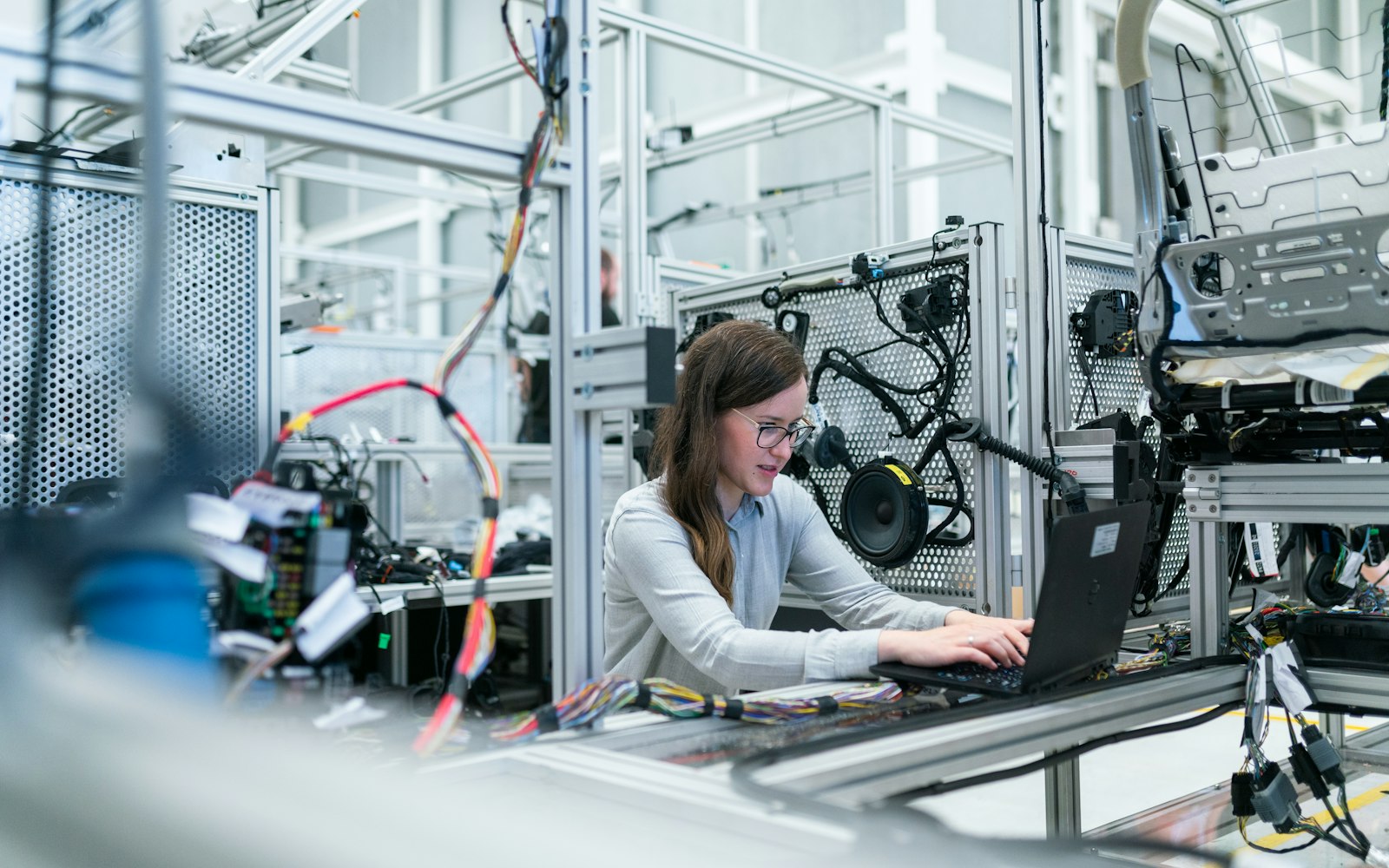
A robot is often discussed as if it arrives in a workplace fully formed. In reality, the machine enters a choreography of people, tools, safety rules, shift patterns, and informal workarounds. The final result depends as much on that choreography as on the robot itself.
This is why automation projects fail for reasons that look social rather than technical. A robot may be fast at one task but create a bottleneck for the person who has to prepare materials. A sensor may be accurate but produce alerts that no one has time to investigate.
The last metre is human
Many of the hardest tasks in a workplace involve variation: a package in the wrong place, a damaged component, a question that does not fit the script. A good automation project identifies where those exceptions occur and decides who will handle them.
If the answer is always “the worker will adapt,” the project has simply shifted the complexity. That can be workable for a short time, but it often leads to frustration and hidden delays. The design should make the hand-off explicit.
Safety is a system property
Robots can reduce exposure to dangerous tasks, but they can also introduce new hazards. People need clear zones, predictable behaviour, and training that goes beyond a single induction session. Maintenance staff need a safe way to intervene when the machine behaves unexpectedly.
Safety reviews should include the people closest to the work. They notice the awkward corner, the speed of the line, and the conditions that a demonstration misses. Participation is not a courtesy. It is a source of better information.
Automation is not successful when the robot performs flawlessly in a video. It is successful when the whole shift works better.
Skills change unevenly
Some roles become less repetitive and more supervisory. Others become more technical or more isolated. The distribution matters. A workplace can become more productive while some workers lose the social contact and autonomy that made the job tolerable.
Training should be part of the investment case, not a promise attached to the end. Workers need time to learn, and employers need a plan for redeployment if a role changes. Public programmes can support small firms that lack their own training capacity.
Choose the problem carefully
The best automation opportunities are often dull and specific: lifting a heavy object, repeating a precise movement, reducing exposure to dust. The worst projects begin with a desire to use a robot and search for a place to put it.
When the problem is clear, the solution can be evaluated honestly. Does it reduce injury? Does it improve quality? Does it make the work more or less humane? Those questions belong in the design phase, alongside the engineering drawings and the return-on-investment model.
Reference desk
Sources and further reading
Fieldwork publishes explanatory journalism and independent analysis. This story follows our editorial standards.
Updated throughout the editorial cycle.