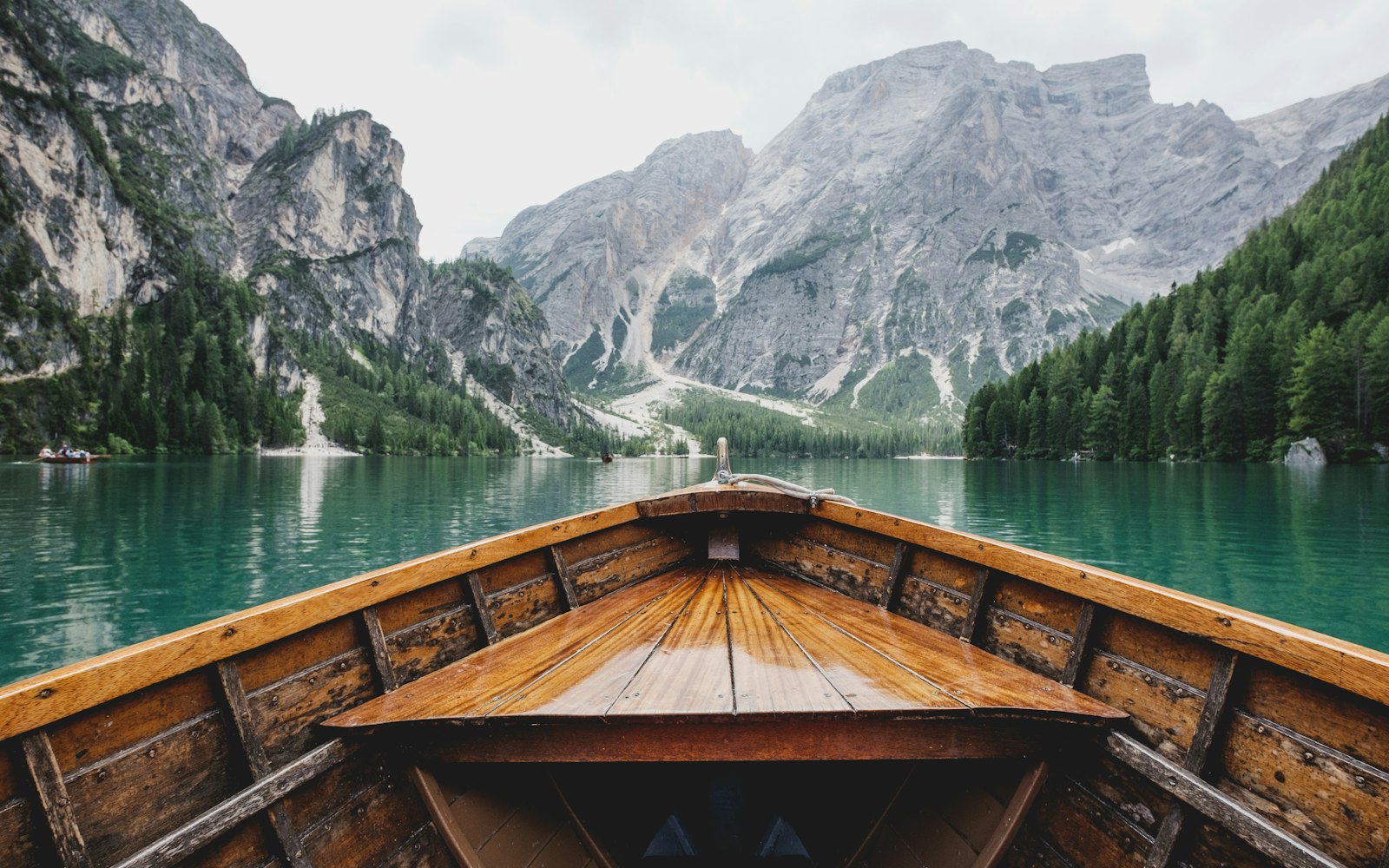
Why it matters:Ferries and coastal routes can make travel part of the destination. They also reveal how much infrastructure a slower journey requires.
Air travel compresses distance. A journey that once took a day can become an hour, with the inconvenience moved into airports and transfers. Slow boats offer a different trade: less speed, more continuity, and a route that remains legible as a landscape.
For islands and coastal regions, ferries are essential public transport, not a tourism novelty. They carry residents, goods, schoolchildren, and workers as well as visitors. A route that is marketed as a scenic experience must still function as ordinary infrastructure.
The journey can be part of the place
A ferry moves through water rather than above it. Passengers see the coastline, the weather, and the distance between places. That can create a stronger sense of geography. It can also give local businesses a reason to locate near the port.
The benefit depends on the vessel. A comfortable ferry with food, shelter, and accessible seating makes the time useful. A crowded boat with poor information turns a scenic route into an endurance test.
Frequency is freedom
A daily ferry is useful. A weekly ferry is a constraint. Visitors can plan around a limited schedule, but residents cannot easily build a life around one. Public investment should consider reliability and frequency, not only the number of tourists in peak season.
Ticket integration with trains and buses can make the whole route practical. So can clear information in multiple languages and a simple way to rebook after a delay.
Slow travel is only a choice when fast travel is not the only available option.
Environmental claims need care
Boats are not automatically sustainable. Fuel type, vessel age, passenger load, and route length all matter. A ferry carrying hundreds of people can be efficient; a small boat carrying a few tourists on a long trip may not be.
The strongest argument for slow travel is not that it is always greener. It is that it can support a more distributed form of tourism and a more resilient transport network. Those benefits should be measured alongside emissions.
Plan the port
The arrival point is part of the journey. A port that is separated from the town by a wide road or a locked gate turns a pleasant crossing into a confusing final mile. Walking routes, shelters, and local transport connections should be designed together.
Slow boats work when the whole chain is considered: the timetable, the vessel, the port, and the place on the other side. The result can be a journey that is slower in time but richer in connection.
Reference desk
Sources and further reading
Fieldwork publishes explanatory journalism and independent analysis. This story follows our editorial standards.
Updated throughout the editorial cycle.