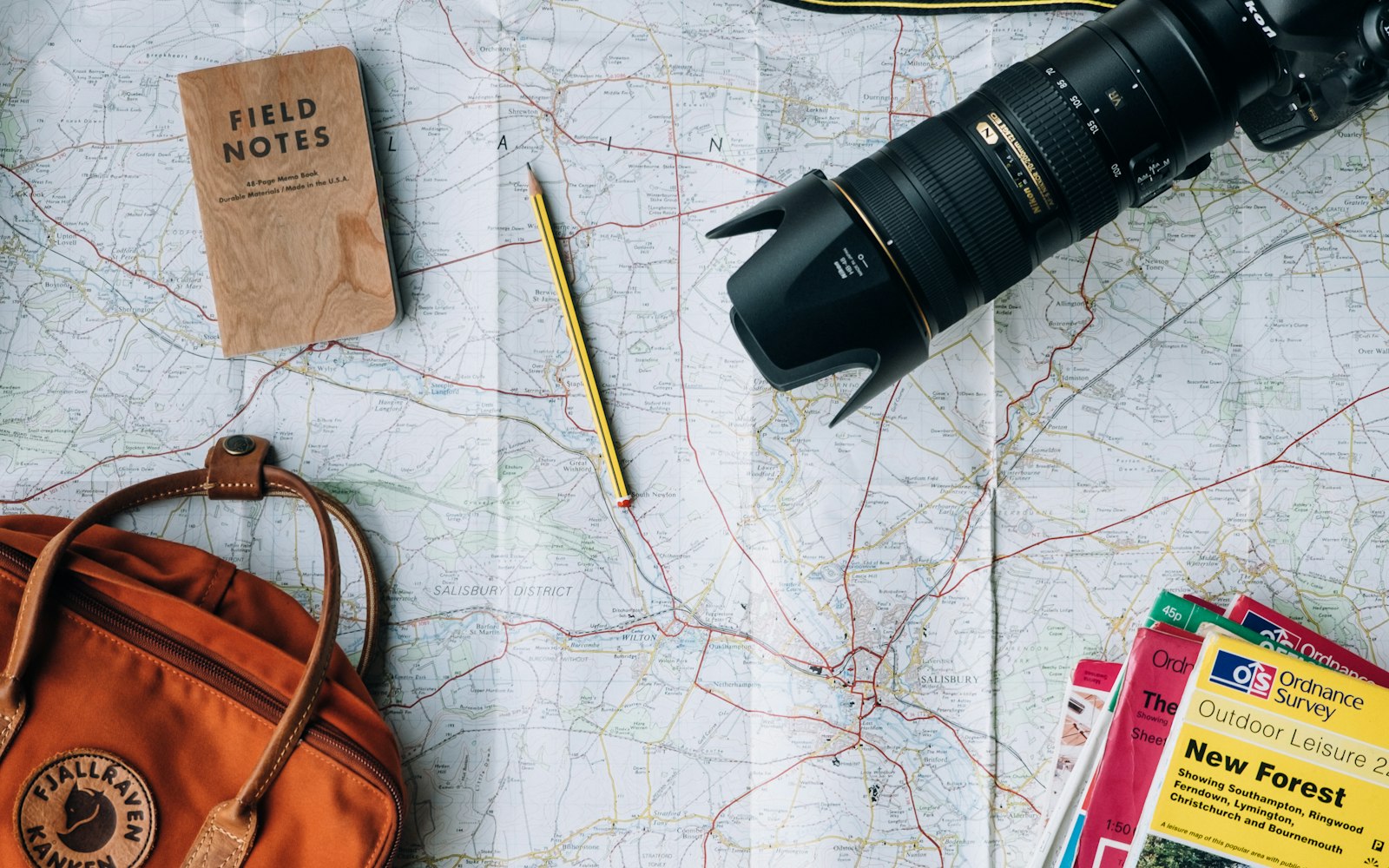
Why it matters:Movement on the road works better as a set of small decisions than a rigid programme that collapses after the first delayed train.
Travel disrupts routines. Meals shift, sleep changes, and the familiar path to a gym or park disappears. A person who exercises regularly at home may arrive with an ambitious plan and abandon it by the second day. That is not a failure of willpower. It is a design mismatch.
A useful travel routine is portable, small, and connected to the trip. It might be a short mobility sequence in a hotel room, a walk between two meetings, or a swim when the weather allows. The best option is the one that can survive an interrupted schedule.
Start with the day you actually have
Before leaving, identify the constraints: time between trains, access to safe walking routes, whether the hotel has a gym, and how much energy the day will require. A plan that assumes every morning is free is not a plan.
Walking is the simplest form of movement, but not every street is equally comfortable. A city with wide pavements, shade, and frequent crossings makes incidental exercise easier. Travel choices can support movement without turning the trip into a training camp.
Strength can be portable
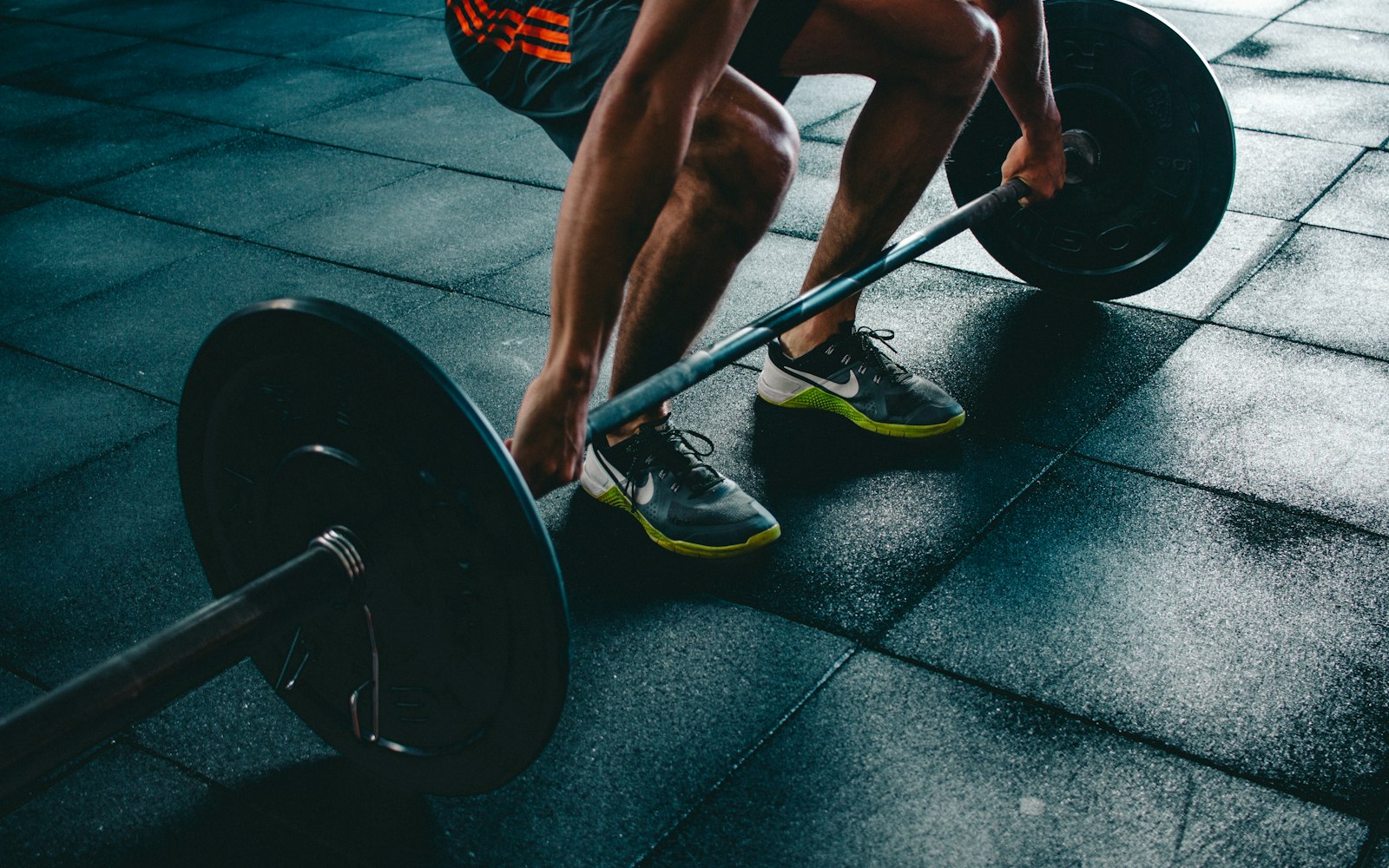
A short bodyweight routine can maintain strength and mobility when equipment is unavailable. The goal is not to replicate a full gym session. It is to keep the habit alive and give the body a change from sitting in transit.
If a hotel gym is available, a brief session is often enough. High-intensity workouts can be difficult to recover from when sleep and food are disrupted. Consistency matters more than intensity during a short trip.
The best travel workout is the one that leaves you more able to enjoy the place, not less.
Protect sleep and hydration
Exercise advice often ignores the conditions around it. A late flight and an early meeting may make a hard workout a poor choice. Heat, altitude, and air quality can change what feels safe.
Water access matters, particularly in places where tap water is not reliable. A reusable bottle and a clear plan for refilling are practical. Travel health guidance should be part of the trip plan alongside tickets and reservations.
Build a return routine
The first days home can be as disruptive as the trip. A short session, a walk, and a regular sleep schedule can help restore rhythm. The goal is not to punish the body for a break. It is to reconnect with the habits that support daily life.
Movement while travelling is valuable because it keeps a person engaged with the place. Walk to the market, take the stairs, choose the neighbourhood route. The exercise and the journey can be the same thing.
Reference desk
Sources and further reading
Fieldwork publishes explanatory journalism and independent analysis. This story follows our editorial standards.
Updated throughout the editorial cycle.