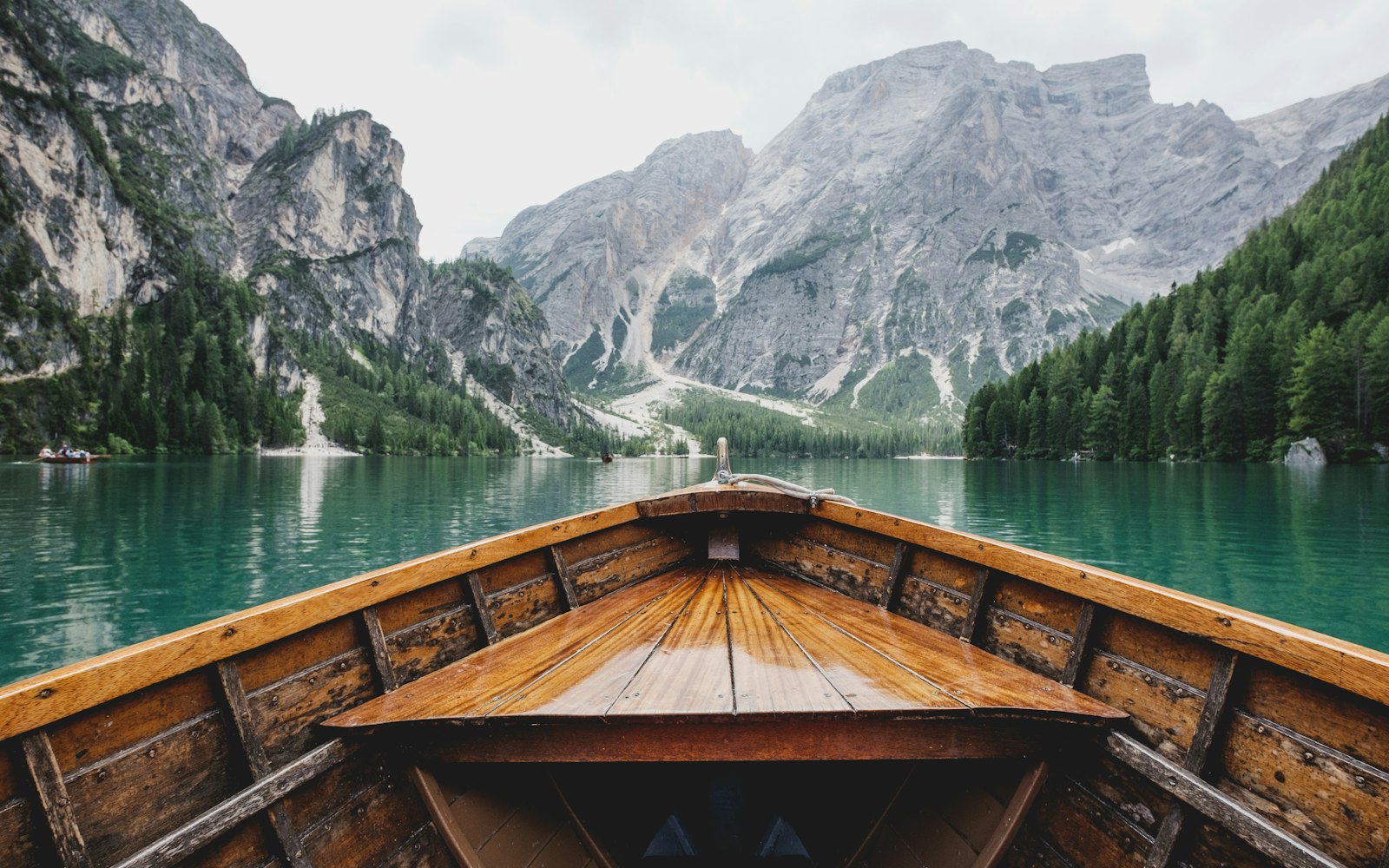
Why it matters:Access to nature is a public good, but concentrated demand can damage the places people come to see. Better visitor management starts before the car park.
A national park is often imagined as a place apart: a boundary on a map where nature is protected from the ordinary pressures of development. The boundary does not stop demand. A beautiful landscape can attract more visitors than its roads, trails, toilets, and ecosystems can comfortably absorb.
The debate over visitor numbers can become a binary choice between access and protection. In practice, the question is how access is organised. A park can welcome many people while reducing the damage caused by a smaller number of poorly managed journeys.
The journey begins outside the gate
Traffic, parking, and shuttle systems shape the visitor experience before anyone reaches a trailhead. A park that requires every visitor to drive can create congestion and concentrate impact at a few accessible sites.
Public transport, timed entry, and dispersed access points can spread demand. So can information that helps visitors understand which routes are busy and which alternatives are available. The goal is not to hide the park. It is to make informed choices easier.
Infrastructure must match the promise
Trails, toilets, water, rescue services, and signage are part of conservation. A damaged trail can erode a slope. A lack of toilets can contaminate a waterway. A dangerous route without clear information can put visitors and rescuers at risk.
Maintenance is chronically underfunded in many protected areas. Raising revenue through parking or permits can help, but fees should not make access depend on wealth. Public funding remains essential for the shared asset.
A park is protected by the choices made at its edges as much as by the line drawn around it.
Visitors need a conservation role
Interpretation can help people understand why a rule exists. A closed path may protect nesting habitat; a no-fire zone may prevent a wildfire. When visitors understand the reason, compliance is more likely. When rules appear arbitrary, enforcement becomes the only tool.
Volunteer programmes and citizen science can give visitors a meaningful role. They can also create a relationship that lasts beyond a single holiday.
Design for local life
Parks are often surrounded by communities that experience both the benefits and the costs of tourism. Housing pressure, seasonal work, and traffic affect people who live there year-round. Visitor strategy should include local transport, workforce housing, and a share of revenue that supports the region.
The future of the national park is not a choice between crowds and closure. It is a design problem: how to make access sustainable, distribute it fairly, and protect the landscape that makes the visit worth taking.
Reference desk
Sources and further reading
Fieldwork publishes explanatory journalism and independent analysis. This story follows our editorial standards.
Updated throughout the editorial cycle.