Why it matters:A great city walk can be shaped by trees, water, and quiet. Investing in green routes gives residents and visitors a reason to move slowly.
Travel guides tend to direct attention to landmarks. Yet some of the most memorable hours in a city are spent walking through a park, along a river, or beneath a line of mature trees. These routes are not merely gaps between attractions. They are destinations in their own right.
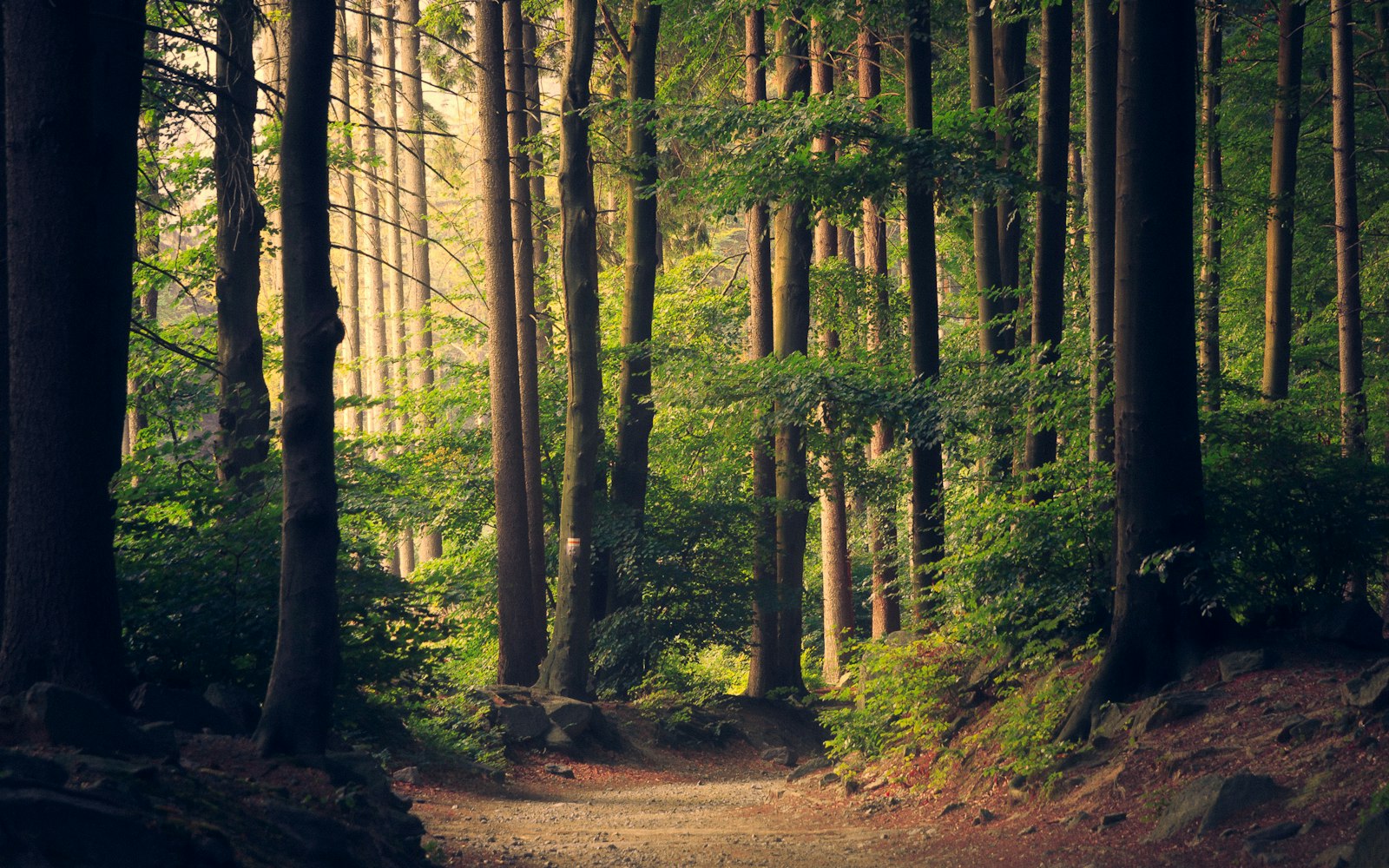
Urban forests can change the experience of travel. They offer shade, birdsong, and a slower pace. They also create a continuous public space that can connect neighbourhoods and make a walk feel like a journey rather than a series of crossings.
Green routes need continuity
A park is valuable, but it becomes more useful when it connects to other places. A continuous route can link a station, a market, a museum, and a residential area. The experience depends on the gaps: a missing crossing, a locked gate, or a stretch of road without shade can break the route.
City planners can treat green corridors as transport infrastructure. They need signs, surfaces, lighting, benches, and maintenance. A path that is beautiful in a photograph but inaccessible after rain is not a reliable route.
Trees tell a local story
The species in an urban forest reflect history, climate, and decisions about public space. A row of old trees may be the remnant of a former avenue. A new planting scheme may be an experiment in drought tolerance. Interpretive signs and local guides can make those layers visible.
This is also a reminder that urban nature is managed. The forest is not wild in the same way as a national park. It depends on pruning, watering, soil care, and protection from construction.
A green walk is a piece of public infrastructure that happens to feel like a holiday.
Travelers can reduce pressure
Popular green spaces can suffer from concentrated use. Visitors can help by choosing quieter routes, respecting closures, and using public transport. But responsibility should not fall only on individuals. Cities need to manage capacity and invest in alternatives.
A dispersed network of smaller green routes can share the load. It can also bring visitors to neighbourhoods that rarely appear on tourist maps, supporting local cafés and shops without concentrating footfall in one place.
A different way to see a city
The best urban forest route does not require a ticket. It rewards attention: the change in temperature under a canopy, the view of a river between buildings, the sound of leaves in traffic. It offers a form of travel that is slower than a bus and more intimate than a skyline.
Cities that protect and connect these routes are not only improving the environment. They are creating a reason to stay, walk, and return. The forest is part of the city’s public welcome.
Reference desk
Sources and further reading
Fieldwork publishes explanatory journalism and independent analysis. This story follows our editorial standards.
Updated throughout the editorial cycle.